Check 01
Work wear
Inspect the tray, towbar and suspension for heavy work use
Used utes suit tradies, farmers and weekend adventurers who need a tray, towing and toughness. Buy from a dealer or a private seller and spread the cost with a loan that fits your budget.
Fastest approval on record 7m 28s
The short answer
You can finance a used ute with a secured car loan from a dealer or private seller. Lenders look at the ute’s age, kilometres and price, and at your income and credit history. If the ute is mainly for work, a business loan or chattel mortgage may suit better than a personal loan.
 See what lenders may offer you
Estimate your repayments
Loan term
Credit history
$0per week
$0 per month at an example 11% p.a.
Want your real numbers?
Answer a few quick questions and a broker will come back with options lenders may offer you.
Estimate only. Example rates are for illustration, not offers or comparison rates, and fees aren’t included.
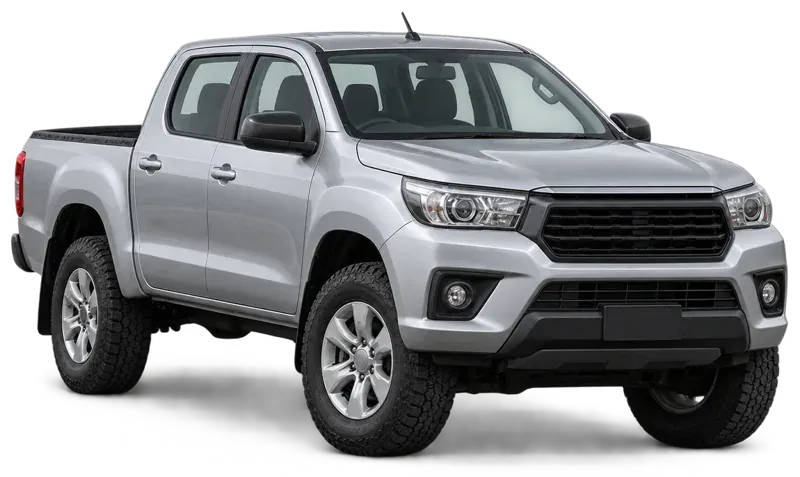
Start with how you’ll use it. A single-cab or space-cab with a tray suits work, while a dual-cab suits families and weekends away. 4x4 matters if you tow on soft surfaces or head off-road; a 2WD is cheaper to buy and run if you don’t.
Diesel is the norm for towing, and most popular utes are rated to tow up to 3,500 kg braked in 4x4 diesel form. Check the exact rating for the version you’re looking at, plus the ball weight and payload, before you hitch up a heavy van.
Lenders want the ute to be good security for the loan. They check its age, kilometres and market value against similar cars for sale, and many set a maximum age for the car at the end of the loan term. An older car may mean a shorter loan term or fewer lenders to choose from.
They also look at you: your income, your regular expenses, your existing debts and your credit history. Responsible lending rules mean the lender has to be satisfied the repayments are affordable for you, not just that the car is worth the money.
If the ute is mainly for work, a business loan or chattel mortgage may suit better than a personal loan.
Inspect the tray, towbar and suspension for heavy work use

Look under the car for signs of hard off-road driving

Search the PPSR to confirm there is no finance owing and the car hasn’t been written off or stolen.
Get a mechanic to inspect the car before you pay, especially on a private sale.

Check the logbook for regular oil changes and servicing at the right intervals.

Drive it from cold, at low and highway speeds, and listen for knocks, whines or pulling under braking.

The most common way to finance a used ute. The car is security for the loan, which usually means a lower rate than an unsecured loan.
See if it suits me
For ABN holders buying a used ute mainly for work. The business owns it from day one, and interest and depreciation may be deductible.
See if it suits me
Get a lender’s conditional OK before you shop, so you know your budget and can move fast on the right ute.
See if it suits me
Narrowing it down? Each popular model has its own guide to the years, versions and checks that matter: used Toyota Hilux finance, used Ford Ranger finance and used Isuzu D-Max finance. Prefer to shop by brand? Start with used Toyota loans, used Ford loans and used Mazda loans. Not set on a ute? Compare used SUV loans and used 4WD loans.
Before you talk to a seller, run the numbers through the car loan calculator to see how the loan amount, term and your credit history change the repayment. Then read how UsedCarLoans works so you know what happens after you send your details.
Most buyers ask the same things about deposits, credit checks and loan terms, so we answered them in our used car finance FAQs. Ready to go? Start the quick quiz and a licensed broker can talk you through what lenders may offer.

Answer a few questions and a broker checks what lenders may offer, so you know your budget before you shop.
Shop dealers, Marketplace and private listings within your budget. Compare a few similar cars on age, kilometres and price.
Run a PPSR search, book an independent inspection and go through the service history before you commit.
Send the car’s details to your broker. The lender confirms its value and that it’s free of existing finance.
Sign your loan documents, the lender pays the seller, and the ute is yours.
Lenders may finance a used ute from either. Here’s how they compare.
 On the yard
 In a driveway
Your loan covers the car. Running a used ute also means:
The Toyota Hilux, Isuzu D-Max and Mitsubishi Triton are the names that come up most often for reliability, with the Ford Ranger and Mazda BT-50 also popular choices. In practice, how a particular ute was serviced and driven matters more than the brand. A well-maintained ute from any of these makers is usually a better bet than a neglected one wearing the most trusted badge. Check the logbook, recall work and a pre-purchase inspection.
A ute is a working asset rather than an investment, but popular models can hold their value well. Diesel 4x4 dual cabs, especially from the best-known brands, have often depreciated more slowly than many passenger cars because demand from tradies, farmers and tourers stays strong. Used prices can still fall when new car supply improves or interest in a model fades. Buy for the job you need it to do, not for resale.
Pick the body that matches what you carry and who rides with you. A single cab gives the longest tray but seats only two or three. An extra cab adds lockable space behind the front seats. A dual cab seats five and suits families, though the tub is shorter. A cab chassis comes without a tub, so you fit your own tray, which tradies prefer for toolboxes, racks and drawers.
There is no fixed cut-off, but many buyers treat 200,000 km as the point where a used ute needs much closer checks. A diesel ute that did mainly highway kilometres with regular servicing can be in better shape than one with half the distance spent towing or on building sites. Look at kilometres per year, the logbook, the state of the clutch or gearbox, and how much towing it has done.
Diesel suits most ute buyers who tow, carry heavy loads or drive long distances, thanks to its pulling power and range. Petrol utes are simpler and usually cheaper to buy, and they avoid DPF problems if the ute mostly does short trips around town. Petrol 4x2 utes are common as light work vehicles. Hybrid and electric utes are arriving, though there are still few on the used market.
Older Mitsubishi Tritons, Isuzu D-Maxes and Nissan Navaras are often the go-to choices when money is tight, as they tend to cost less than a Hilux or Ranger of the same age. Older Hiluxes are tempting but usually carry a price premium. On a limited budget, a simpler 4x2 or lower grade in good condition is usually a smarter buy than a high-spec 4x4 with a patchy history.
A GVM upgrade raises a ute's legal gross vehicle mass so it can carry more weight, and it is common on touring and trade utes. If you buy one, check the upgrade was done by an approved provider and that the ute has the right certification or registration record for your state. If the GVM goes above 4,500 kg, a car licence no longer covers it. Always declare the upgrade to your insurer.
It can be, if you use it to earn income, but generally only the business-use portion is claimable. The ATO treats utes designed to carry less than one tonne as cars, while utes that carry one tonne or more fall under different record-keeping and depreciation rules. Most owners need a logbook to support their claims. Tax rules change and depend on your circumstances, so ask your accountant before you buy.
Possibly not. A ute provided to an employee can be exempt from fringe benefits tax when private use is limited to things like driving between home and work and minor, infrequent personal trips. Whether a particular dual cab qualifies depends on its design and how it is used, and the ATO publishes specific guidance. If your company is buying a ute for you or an employee, ask your accountant first.
It can. Insurers price a ute on its value, how it is used, where it is parked and any modifications, so a lifted dual cab with a canopy and bullbar may cost more to cover than a standard one. Rego costs vary by state and sometimes by vehicle weight or business use. Get an insurance quote and check rego costs for the exact ute before you sign up for a loan.
Yes. Sole traders often finance utes through a chattel mortgage or business car loan, with the ute in their own name and linked to their ABN. Lenders usually look at how long the ABN has been registered, plus recent BAS statements, tax returns or bank statements. If you have only been trading a short time or your paperwork is thin, some lenders offer low-doc loans, usually with stricter conditions.
It depends on how much of the ute's use is for business. A chattel mortgage is a business loan, generally suited to utes used mostly for work, and the business owns the ute from settlement. A consumer car loan suits personal or mostly private use and comes with consumer credit protections. GST and tax are treated differently under each, so ask your accountant which one fits your situation.
It can be possible. Lenders look at whether your income is stable and the repayments are affordable, so a permanent apprenticeship with steady pay can count. Some lenders may want you past probation or in the job for a minimum time. A cheaper ute, a deposit or a guarantor can improve your chances. Be realistic about insurance as well, because premiums for young drivers on utes can be high.
Often yes, if they are bought together. When a dealer supplies the ute with a new tray or canopy, the total can usually go on one invoice and one loan. If you buy a used cab chassis and have a tray built separately, some lenders may finance it with a tax invoice from the fabricator, while others will need you to pay for it yourself. Business buyers may be able to finance the fit-out as equipment.
Mostly no. For a consumer loan, a ute is assessed like any other car: the lender checks its age and value and whether you can afford the repayments. The differences show up when it is for business, where lenders may accept ABN-based applications, low-doc options or a chattel mortgage. Some lenders also look harder at heavily modified or very high-kilometre work utes, because they can be harder to value and resell.
Usually, yes. Many lenders finance vehicles bought in another state, from a dealer or privately, as long as the PPSR is clear and the ute can be registered where you live. You may need a roadworthy or safety certificate if your state requires one, plus transport or a trip to collect it. Include stamp duty and transfer costs in your own state when working out how much to borrow.
Yes, utes are commonly financed in the name of a company or trust. The lender assesses the entity's finances and usually asks directors or trustees to sign as guarantors. You may need company documents, a trust deed, financial statements and tax returns. Ownership and GST treatment differ from buying in your own name, so ask your accountant which structure suits you before you apply.