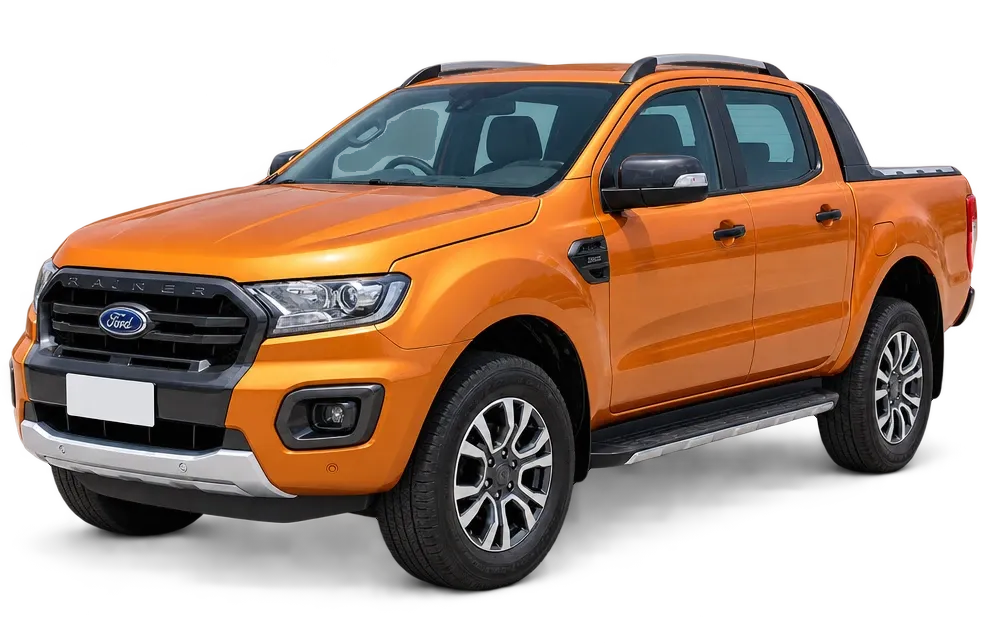
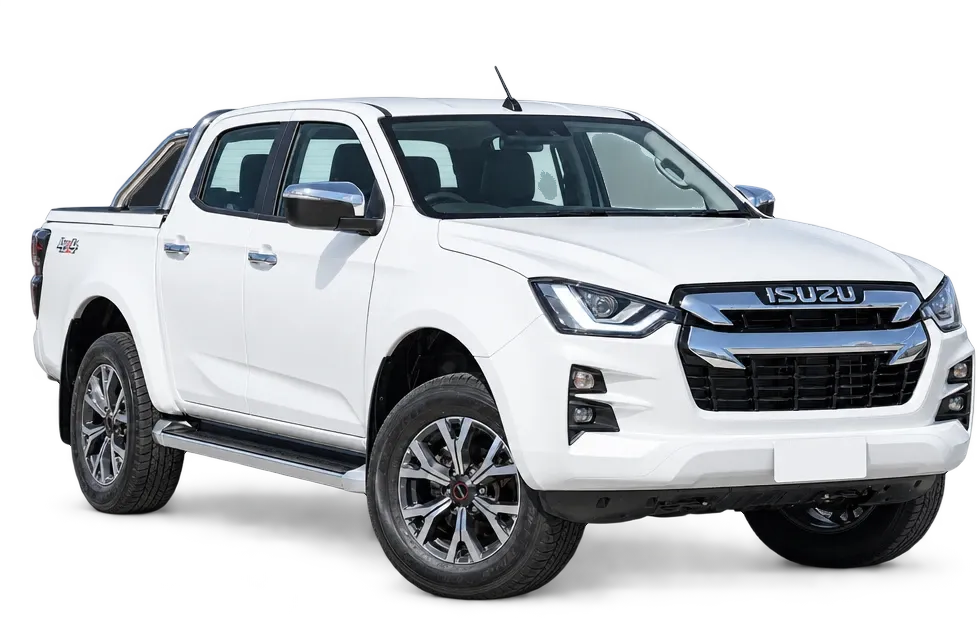
Workmate
The entry-level work ute, often with a cab-chassis tray and hard-wearing interior.
The Toyota Hilux is one of Australia’s most popular utes, used everywhere from building sites to cattle stations. If you’ve found a used one, you can finance it from a dealer or a private seller.
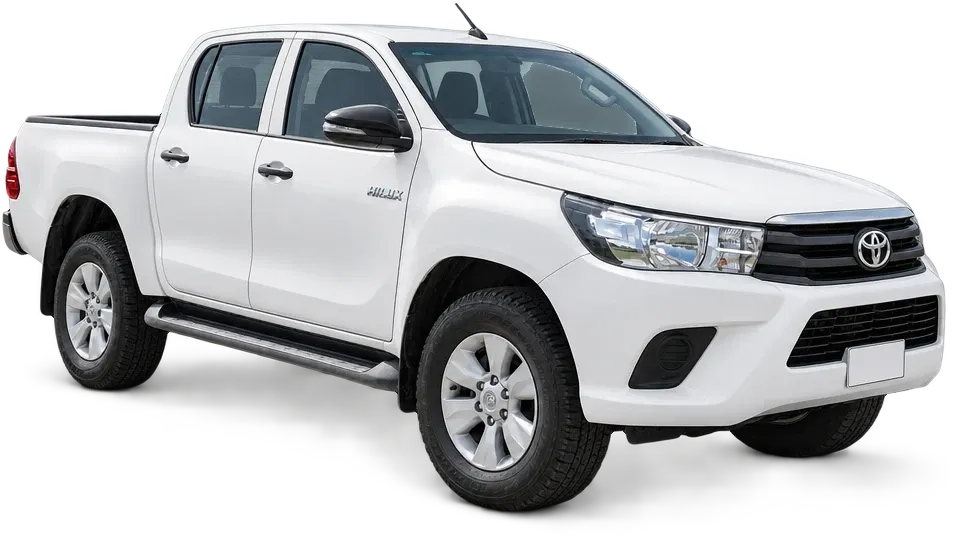
Fastest approval on record 7m 28s
The short answer
You can finance a used Toyota Hilux with a secured car loan. Lenders look at the car’s age, kilometres and value, and at your income and credit history. If the ute is mainly for work, a business loan or chattel mortgage may suit better than a personal loan.
 See what lenders may offer you
Estimate your repayments
Loan term
Credit history
$0per week
$0 per month at an example 11% p.a.
Want your real numbers?
Answer a few quick questions and a broker will come back with options lenders may offer you.
Estimate only. Example rates are for illustration, not offers or comparison rates, and fees aren’t included.
The Hilux suits tradies, farmers and families who want a ute that will run for hundreds of thousands of kilometres. Its reputation for toughness means used Hiluxes hold their value well, which lenders like, but it also means you pay a premium compared with some rivals.
Lenders want the Toyota Hilux to be good security for the loan. They check its age, kilometres and market value against similar cars for sale, and many set a maximum age for the car at the end of the loan term. An older car may mean a shorter loan term or fewer lenders to choose from.
They also look at you: your income, your regular expenses, your existing debts and your credit history. Responsible lending rules mean the lender has to be satisfied the repayments are affordable for you, not just that the car is worth the money.
If the ute is mainly for work, a business loan or chattel mortgage may suit better than a personal loan.
Plenty around at lower prices. Many have done big kilometres, so the service history matters more than the year.
Introduced the 2.8-litre turbo diesel. Some of these engines had widely reported diesel particulate filter (DPF) problems, so check whether any fixes were done under warranty.
More power from the 2.8-litre diesel and updated tech. These hold the strongest used values.
The grades you’ll see most in listings. Higher grades cost more to buy, insure and finance.
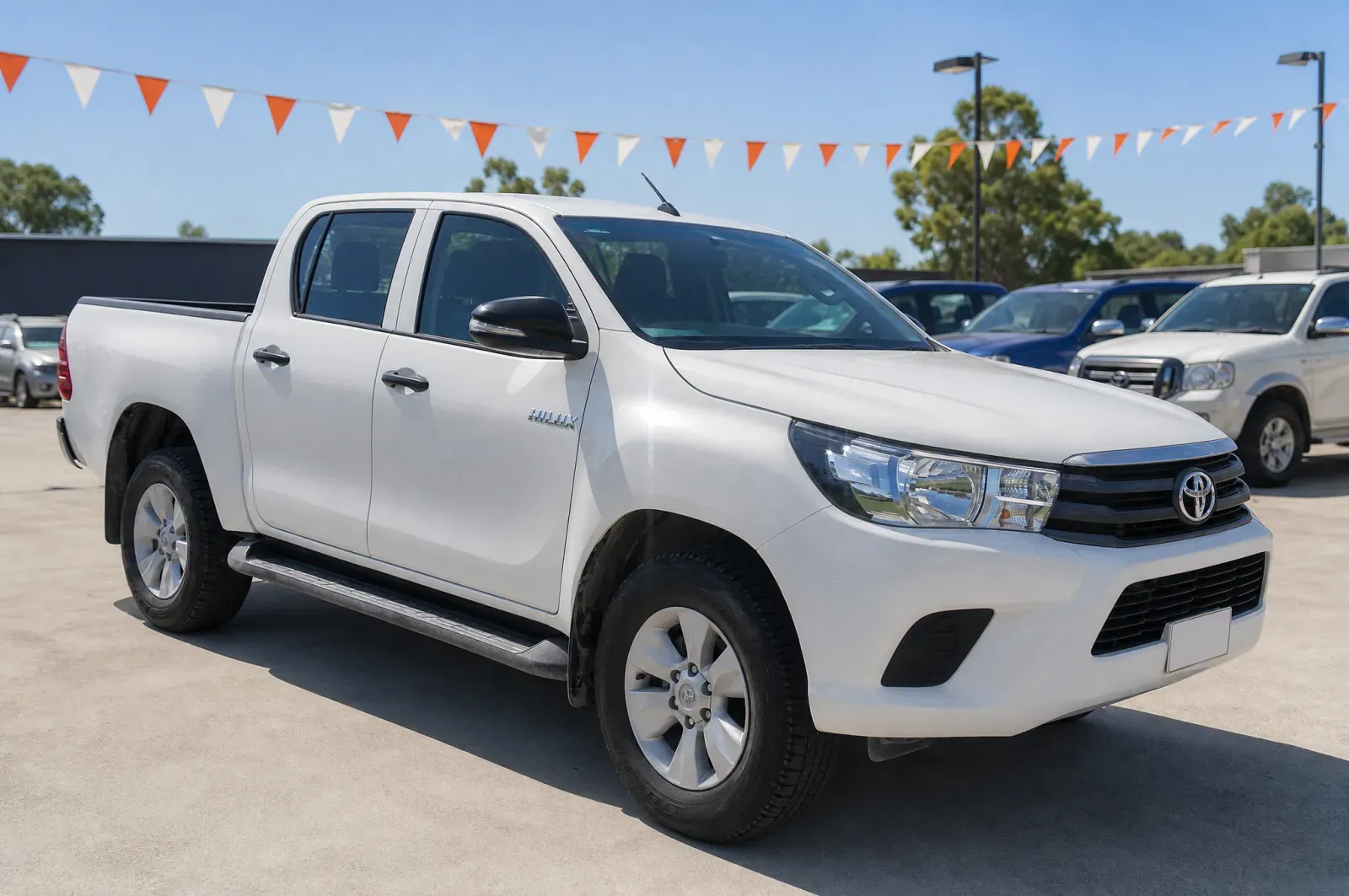
The entry-level work ute, often with a cab-chassis tray and hard-wearing interior.
A step up with more features, popular with tradies who want a dual-cab.
The most popular family and lifestyle grade, with more comfort and tech.
Top-spec and off-road focused versions that cost more to buy and insure.

On 2015 to 2020 2.8-litre diesels, ask whether the DPF has been checked, cleaned or replaced, and look for warning lights on the dash.
Ex-fleet and mine-site Hiluxes can have huge kilometres and accessory wear. Look at the tray, towbar, seats and steering wheel.
Lift kits, bigger tyres and bullbars can affect insurance and roadworthiness. Ask whether they are engineered and declared.

Check the logbook for regular oil changes and servicing at the right intervals.

Search the PPSR to confirm there is no finance owing and the car hasn’t been written off or stolen.
Get a mechanic to inspect the car before you pay, especially on a private sale.

The most common way to finance a used Toyota Hilux. The car is security for the loan, which usually means a lower rate than an unsecured loan.
See if it suits me
For ABN holders buying a used Toyota Hilux mainly for work. The business owns it from day one, and interest and depreciation may be deductible.
See if it suits me
Get a lender’s conditional OK before you shop, so you know your budget and can move fast on the right Hilux.
See if it suits me
Still weighing it up? Our guide to used ute loans covers what lenders look at across every ute, and financing a used Toyota looks at the whole range. Cross-shopping? See how the Hilux stacks up against a used Ford Ranger or used Isuzu D-Max. Other used Toyotas worth a look: the Toyota Corolla, Toyota RAV4 and Toyota LandCruiser.
Work out a comfortable repayment first with our used car loan calculator, then check how the process works, from the 60-second quiz to a licensed broker comparing lenders for you.
If something still isn’t clear, our frequently asked questions are a good next stop. Once you’ve picked your Hilux, tell us about the car and we’ll connect you with a licensed broker. It’s free and there’s no obligation.

Answer a few questions and a broker checks what lenders may offer, so you know your budget before you shop.
Shop dealers, Marketplace and private listings within your budget. Compare a few similar cars on age, kilometres and price.
Run a PPSR search, book an independent inspection and go through the service history before you commit.
Send the car’s details to your broker. The lender confirms its value and that it’s free of existing finance.
Sign your loan documents, the lender pays the seller, and the Hilux is yours.
Lenders may finance a used Hilux from either. Here’s how they compare.
 On the yard
 In a driveway
Your loan covers the car. Running a used Toyota Hilux also means:
The most talked-about problem is the diesel particulate filter (DPF) on 2015 to 2020 Hiluxes with the 2.8-litre diesel, which could clog and blow white smoke, especially on utes doing short trips. On the older 3.0-litre diesel (roughly 2005 to 2015), many owners report injector wear, so clean service records matter. Beyond that, most faults on used Hiluxes come from hard work: worn suspension, tired clutches, damaged trays and off-road knocks.
No year is a write-off, but 2015 to 2020 Hiluxes with the 2.8-litre diesel need the most care, because DPF faults on these models led to a class action in Australia. Toyota released fixes and updated parts, so ask whether that work was done and get proof. Hiluxes from the 2020 update onward are generally regarded as better sorted. In any year, a well-serviced Hilux beats a low-kilometre one with gaps in its logbook.
If the budget stretches, a 2020 or later Hilux is the sweet spot for most buyers. That update brought a stronger 2.8-litre diesel and changes to the DPF system, including a manual burn button. If you need to spend less, a 7th generation Hilux (2005 to 2015) with full service history is a proven, simpler ute. Toyota updated the 8th generation several times, so compare build dates and grades rather than chasing one perfect year.
It is a lot, but it is not necessarily the end for a Hilux. Many diesel Hiluxes keep running well past 300,000 km when oil changes, injector checks and cooling system work have been done on time. The catch is that big repairs, such as injectors, a clutch or a turbo, become more likely, so budget for them. Lenders may also value a Hilux with this many kilometres lower and offer a shorter loan term.
Choose the SR if the ute is mainly a work tool and the SR5 if it doubles as the family car. The SR has harder-wearing trim and simpler equipment, which suits tradies who climb in and out all day. The SR5 adds comfort and tech features and is the grade most private buyers look for, so it tends to resell more easily. Expect to pay more for an SR5 of the same age and kilometres.
Buy the Hilux if long-term toughness and resale value matter most, and the Ranger if you want a more comfortable cabin and more features for the money. Used Hiluxes often cost more than similar Rangers because of their reputation and strong demand, especially in regional areas. Rangers are widely praised for their ride and towing feel. Whichever you choose, the individual ute's condition and history matter more than the badge on the tailgate.
Yes, for work use the Workmate is often a smart, simple choice. It is the entry grade, so there is less to go wrong and it usually costs less than an SR or SR5 of the same age. Many are single cab or cab chassis versions, and some 4x2 Workmates use a 2.7-litre petrol engine instead of a diesel. Check fleet history closely, because plenty have worked hard for companies and councils.
Most 2.8-litre diesel 4x4 Hiluxes are rated to tow up to 3,500 kg braked, but some automatics, 4x2 models and older generations are rated lower. Check the exact figure in the owner's manual or on the compliance plate for the year and gearbox you are looking at. Also check the gross combination mass (GCM): with a loaded tray and passengers, you may not be able to legally tow the full rated amount.
Servicing a Hilux is generally affordable, because parts are easy to find and most country mechanics know them well. Newer Hiluxes may still be within Toyota's capped price servicing program, so ask a Toyota dealer what applies to that vehicle. Older Hiluxes cost more when bigger items fall due, such as the timing belt on the older 3.0-litre diesel, injectors or a clutch. Ask the seller which of these jobs have already been done.
Yes, the Hilux is known for strong resale value in Australia and often holds its price better than rival utes. That means you pay more upfront, but you may get more back when you sell or trade in. Demand from tradies, farms and rural buyers keeps prices firm, especially for diesel 4x4 dual cabs. The flip side is fewer bargains, so be wary of a Hilux priced well below similar ones.
Yes, the Hilux regularly appears among Australia's most stolen vehicles, which matters when you buy and insure one. Before paying, run a PPSR search to check it is not recorded as stolen or written off, and make sure the VIN on the ute matches the paperwork. Theft risk can also push up comprehensive insurance premiums in some postcodes, so get a quote on the exact Hilux before you commit.
It can be possible, but you will usually have fewer lenders to choose from. Many lenders cap how old a car can be at the end of the loan, so a 2012 Hilux might only qualify for a short term, which means higher repayments. Some also set a minimum loan amount or vehicle value. A tidy, well-serviced 7th generation Hilux gives a broker more to work with than a rough, high-kilometre one.
It can. Lenders use the car as security, so a ute that keeps its value is lower risk for them if the loan goes wrong. That may help with a secured car loan and with options like a balloon payment. It does not change the checks on you, though. Your income, expenses, existing debts and credit history still decide whether a lender sees the repayments as affordable.
A balloon lowers your regular repayments, but you still owe that lump sum at the end of the term. Because Hiluxes tend to hold their value, some buyers plan to sell or trade in to cover the balloon. That only works if the ute is still worth more than the balloon when the time comes, which depends on kilometres and condition. You also pay more interest overall, so compare both options first.
Yes, many lenders will finance a modified Hilux, but they usually value the ute, not the accessories. A lift kit, bigger tyres or a long-range tank may add little to the lender's valuation even if they cost thousands. Modifications must be legal in your state, engineered and certified where required, and declared to your insurer. An undeclared lift can leave you without cover, which is a real problem when the ute secures your loan.
Yes. If you have an ABN and the Workmate will be used mainly for work, a chattel mortgage or other business loan lets the business own it from settlement. Lenders may ask for ABN history, BAS statements or tax returns, although some offer low-doc options for self-employed buyers. Work out the business-use split before you buy, and ask your accountant how GST, interest and depreciation apply to you.
Yes, many lenders finance private sales, and the Hilux is one of the most common private-sale utes in Australia. The lender usually checks the PPSR, confirms the seller owns the ute and pays them directly, which protects you from inheriting the seller's debt. Expect to provide the VIN, rego and the seller's details, and possibly photos. Never hand over a cash deposit before these checks are done.