SX
The entry work grade, often as a cab-chassis.
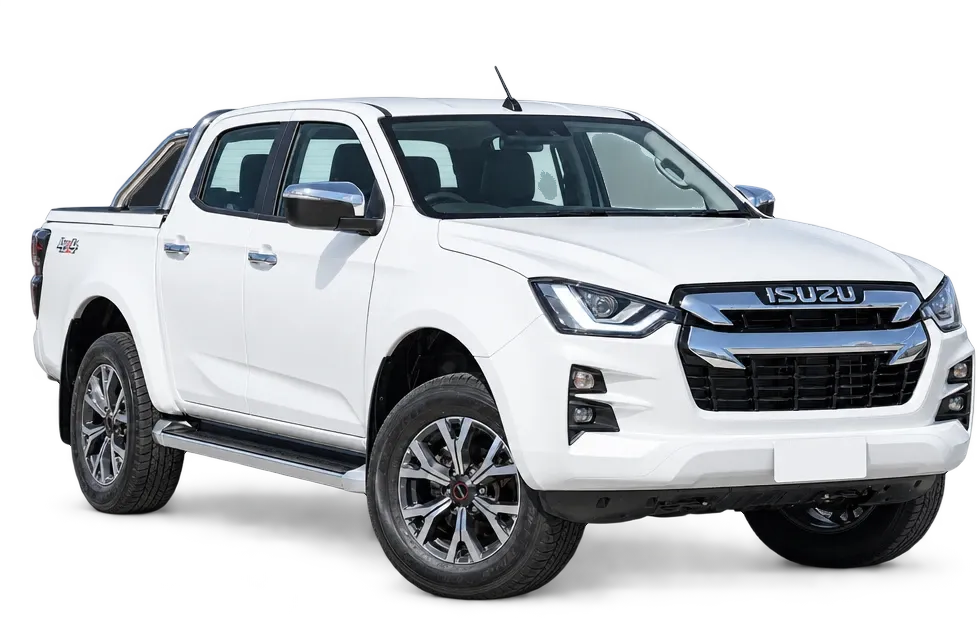
The Isuzu D-Max is a hard-working ute. If you’ve found a used one, you can finance it from a dealer or a private seller.
Fastest approval on record 7m 28s
The short answer
You can finance a used Isuzu D-Max with a secured car loan. Lenders look at the car’s age, kilometres and value, and at your income and credit history. If the ute is mainly for work, a business loan or chattel mortgage may suit better than a personal loan.
 See what lenders may offer you
Estimate your repayments
Loan term
Credit history
$0per week
$0 per month at an example 11% p.a.
Want your real numbers?
Answer a few quick questions and a broker will come back with options lenders may offer you.
Estimate only. Example rates are for illustration, not offers or comparison rates, and fees aren’t included.
The D-Max suits tradies and tourers who want a tough diesel ute that often costs less than the big-name rivals. Isuzu’s truck background shows in its long-lasting engines.
Lenders want the Isuzu D-Max to be good security for the loan. They check its age, kilometres and market value against similar cars for sale, and many set a maximum age for the car at the end of the loan term. An older car may mean a shorter loan term or fewer lenders to choose from.
They also look at you: your income, your regular expenses, your existing debts and your credit history. Responsible lending rules mean the lender has to be satisfied the repayments are affordable for you, not just that the car is worth the money.
If the ute is mainly for work, a business loan or chattel mortgage may suit better than a personal loan.
A 3.0-litre diesel known for durability. Simple and good value used.
A big jump in safety tech and refinement, with an updated 3.0-litre diesel.
The grades you’ll see most in listings. Higher grades cost more to buy, insure and finance.
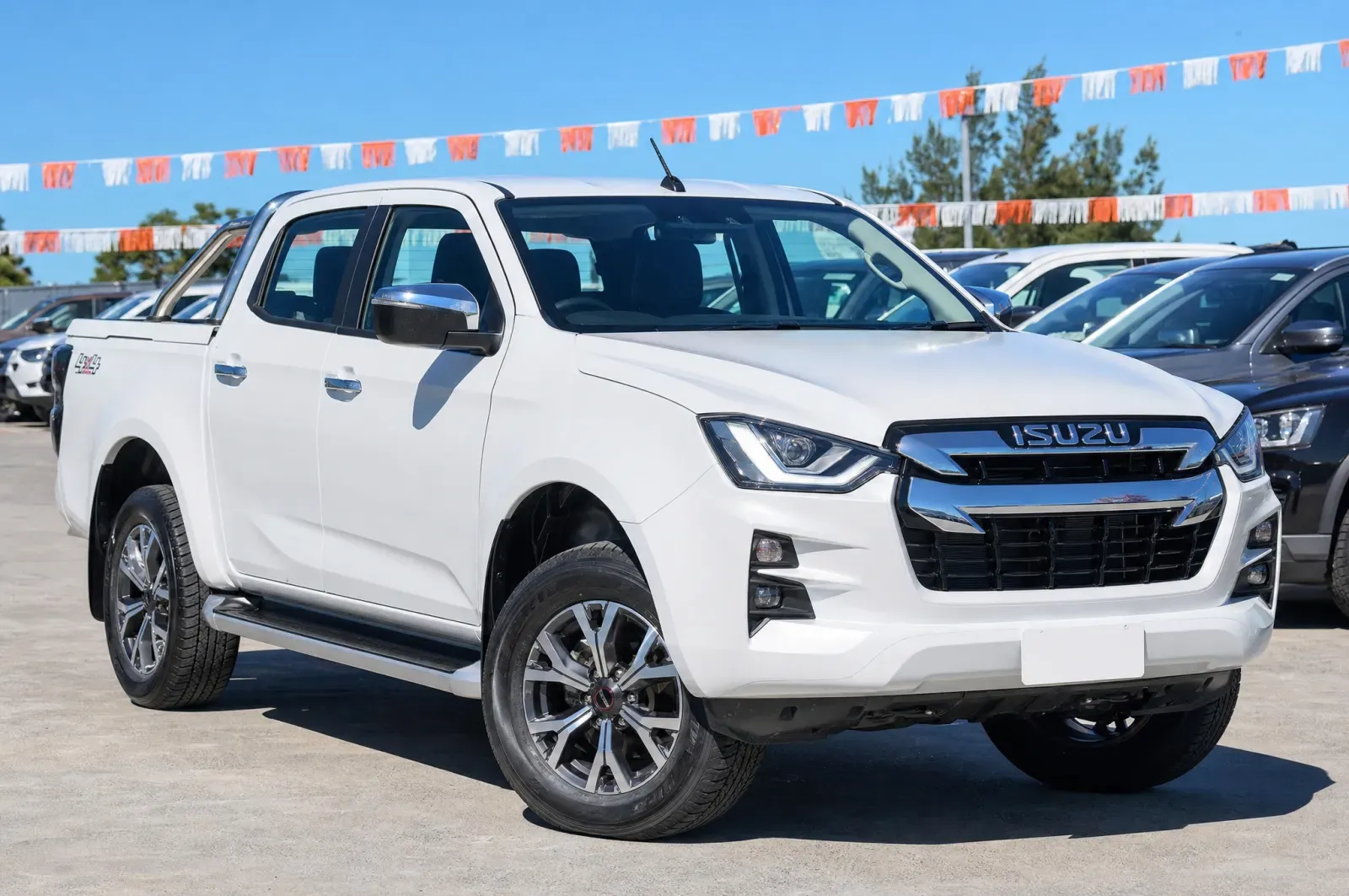
The entry work grade, often as a cab-chassis.
A mid grade with more features.
A popular upper grade for families and tourers.
The top lifestyle grade, with styling and comfort extras.
Many D-Maxes are tradie and farm utes. Check the tray, towbar and suspension for heavy loads.
Ask for the service history and whether the diesel particulate filter has had any issues.
Check any lift kits, canopies or bullbars are legal and declared to your insurer.

Search the PPSR to confirm there is no finance owing and the car hasn’t been written off or stolen.
Get a mechanic to inspect the car before you pay, especially on a private sale.

Check the logbook for regular oil changes and servicing at the right intervals.

The most common way to finance a used Isuzu D-Max. The car is security for the loan, which usually means a lower rate than an unsecured loan.
See if it suits me
For ABN holders buying a used Isuzu D-Max mainly for work. The business owns it from day one, and interest and depreciation may be deductible.
See if it suits me
Get a lender’s conditional OK before you shop, so you know your budget and can move fast on the right D-Max.
See if it suits me
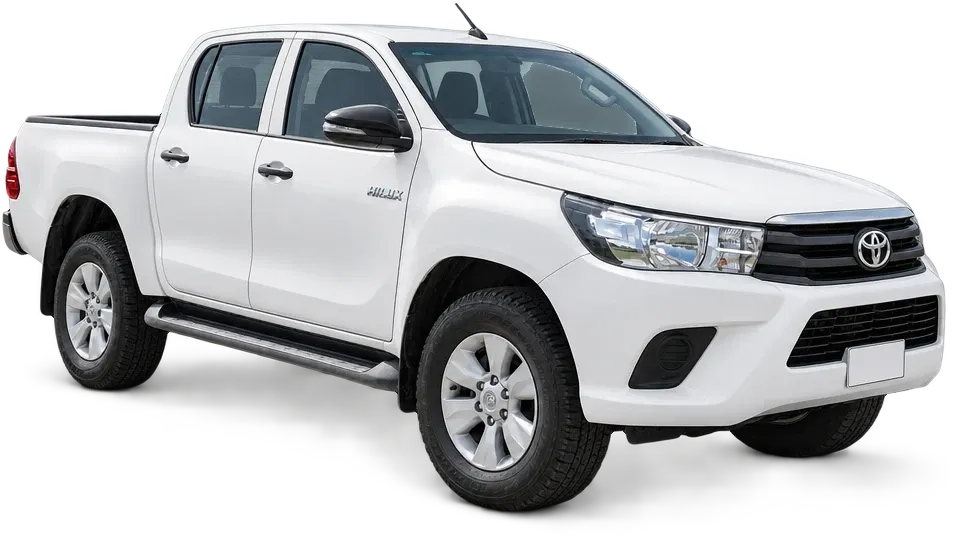
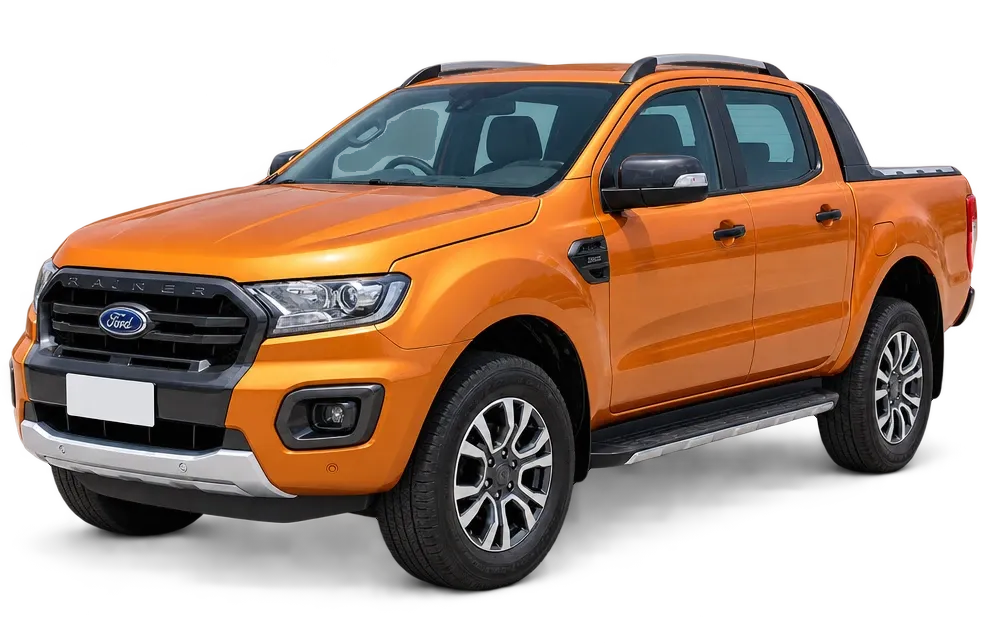
Still weighing it up? Our guide to used ute loans covers what lenders look at across every ute. Cross-shopping? See how the D-Max stacks up against a used Toyota Hilux or used Ford Ranger.
Use the repayment calculator to test a few loan amounts and terms before you make an offer, and see what happens after you enquire so there are no surprises.
Got questions about deposits, private sales or a patchy credit history? The car loan FAQs cover the basics. When you’ve found the right D-Max, check your options and we’ll pass your details to a licensed broker.

Answer a few questions and a broker checks what lenders may offer, so you know your budget before you shop.
Shop dealers, Marketplace and private listings within your budget. Compare a few similar cars on age, kilometres and price.
Run a PPSR search, book an independent inspection and go through the service history before you commit.
Send the car’s details to your broker. The lender confirms its value and that it’s free of existing finance.
Sign your loan documents, the lender pays the seller, and the D-Max is yours.
Lenders may finance a used D-Max from either. Here’s how they compare.
 On the yard
 In a driveway
Your loan covers the car. Running a used Isuzu D-Max also means:
Yes, the 3.0-litre diesel has a strong reputation for durability, helped by Isuzu's truck engineering background. Isuzu has quoted a design life rating of 500,000 km for the engine, and many owners report D-Maxes running well past 300,000 km. Like any diesel, it depends on regular oil changes and clean fuel. On hard-worked utes, the weak spots tend to be the DPF, turbo and injectors rather than the engine's core.
The issues owners raise most are DPF clogging on utes that mostly do short trips, plus general wear from heavy loads and towing. On early third generation models from 2020 and 2021, some drivers reported the automatic emergency braking activating when it should not, and Isuzu released updates. Recalls have also covered parts such as fuel lines on some models, so check the VIN for outstanding recall work before you buy.
No D-Max year is widely seen as one to avoid outright, but some need more checking. Around the 2017 update the D-Max gained a diesel particulate filter, so ask how the ute was driven and whether the filter has given trouble. Early third generation utes from 2020 and 2021 had software and recall updates that should have been done by a dealer. Older second generation utes are simple, but many are tired.
Choose the 3.0-litre if you tow or carry heavy loads, and the 1.9-litre only if the ute does light, mostly urban work. The 1.9 appears in some 4x2 and lower-grade models, and it can use less fuel, but it has noticeably less torque, so it works harder with weight on board. Most used D-Maxes for sale have the 3.0, which also makes resale easier.
Since 2020 they are close relatives, so choose on price, grade and condition rather than mechanicals. The current BT-50 is built on the D-Max platform with the same 3.0-litre Isuzu diesel, while older BT-50s were related to the Ford Ranger instead. The main differences are styling, interior design and dealer network. Compare utes of similar age, kilometres and grade, and check warranty and service history on both.
A well-maintained D-Max can often go past 400,000 km, according to many owners, and the 3.0-litre diesel's simple design is a big reason why. How long one lasts depends more on servicing, towing and how it was driven than on the odometer alone. On a D-Max with over 250,000 km, look for blue smoke, hard starting, turbo whistle and oil leaks, and ask whether injectors or the turbo have been replaced.
Choose the LS-U for the best balance of features and price, and the X-Terrain if you want the top-spec look and extra comfort. The LS-U is a favourite with families and tourers and shares its engine and drivetrain with the X-Terrain in most years. The X-Terrain adds styling and interior extras, which raise the price and often the insurance. Work utes are more commonly SX or LS-M.
Yes, the factory warranty stays with the vehicle, so a used D-Max may still be covered. From around 2019, Isuzu offered six years or 150,000 km, whichever comes first, so a younger D-Max with moderate kilometres could have cover left. Check the first registration date and confirm with an Isuzu Ute dealer using the VIN. Extended or dealer warranties can have different transfer rules, so ask for the paperwork.
Most 3.0-litre 4x4 D-Maxes carry a 3,500 kg braked towing rating, the same headline figure as the bigger-name rivals. Some 4x2 and 1.9-litre variants have different ratings, so check the compliance plate or owner's manual for the exact ute. If the D-Max has pulled a heavy van, pay attention to how the automatic shifts on the test drive and look for a towbar with a proper compliance label.
Follow the schedule in that D-Max's logbook, because intervals differ between generations and engines. Third generation D-Maxes generally run on a 15,000 km or 12-month service interval. Check that each service was stamped on time, and ask about fuel filter changes, which matter on any diesel. Utes that tow often or work in dusty conditions may need more frequent oil changes than the standard schedule.
It is generally regarded as one of the more economical utes to own. The 3.0-litre diesel is known for reasonable fuel use for its size, parts are widely available, and capped price servicing has been available on many models. Tyres, insurance and rego still add up, so budget for them. A D-Max that has been lifted or loaded with heavy accessories will use more fuel than the official figure suggests.
Not in interest terms, but you may borrow less. Lenders mainly price a loan on you, the loan amount and the car's age, not the brand, so a D-Max and a Hilux of the same age are usually treated similarly. Where the D-Max can help is the purchase price: comparable used D-Maxes often cost less than Hiluxes, which means a smaller loan and lower repayments.
They can be part of the purchase price, but lenders often value only the ute itself. If a seller wants extra for a canopy, drawers or a dual battery setup, the lender may not count all of it, so you may need a deposit to cover the gap. When a dealer fits accessories at the time of sale, they can sometimes be added to the loan. Ask your broker how the lender treats them.
Yes. Farmers and primary producers commonly buy utes through a business loan or chattel mortgage, with the farm business as the owner. Lenders may want financial statements or tax returns, and they look at how seasonal income covers the repayments across the year. Some lenders may offer repayment structures that suit seasonal cash flow, though availability varies. Ask your accountant about GST, depreciation and interest for farm vehicles.
It can be possible. Some lenders will finance the full purchase price for borrowers with steady income and a good credit history. A deposit, even a small one, reduces how much you borrow and the total interest you pay, and it can help if the D-Max is older or has high kilometres. A trade-in counts as a deposit too. A broker can check which lenders may consider a no-deposit loan for you.
It can be possible, but plan ahead. Auction houses usually want payment within a few days, so get pre-approval before you bid and confirm your lender accepts auction purchases. Ex-council and ex-government D-Maxes are often regularly serviced, although some lenders limit how old or worn an auction vehicle can be. You usually cannot test drive, so read the condition report and inspect the ute in person.
Yes, the lender usually runs a PPSR search to confirm there is no money owing and that the ute has not been written off or reported stolen. They also check the VIN, rego and valuation. These checks protect the lender's security, not your wallet, so you still need a mechanical inspection and a look through the service history. If the PPSR shows existing finance, it must be paid out at settlement.