XL
The work-focused grade, common as a cab-chassis or ex-fleet ute.
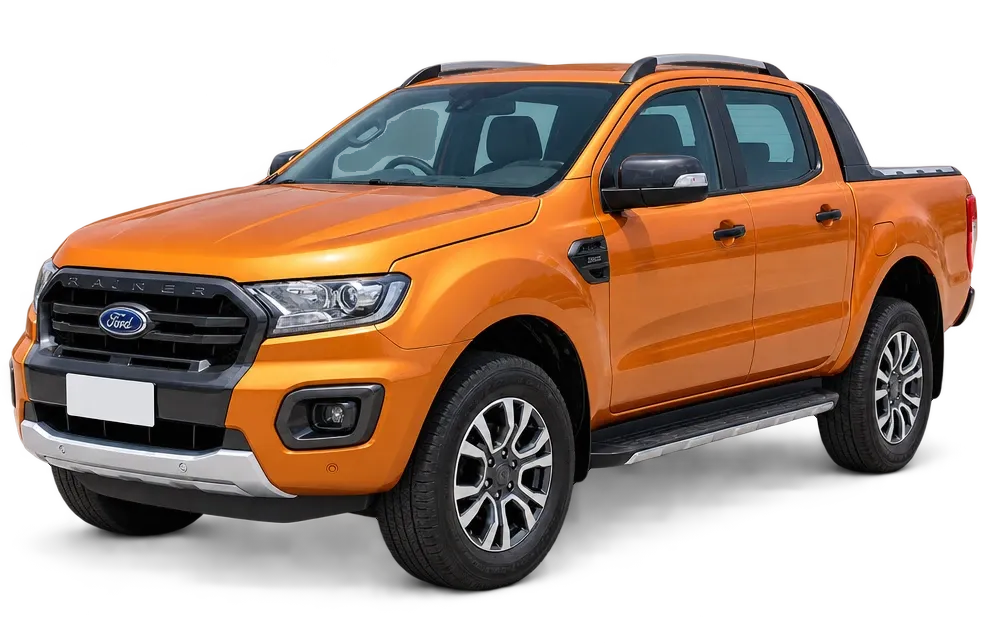
The Ford Ranger is a top-selling ute known for comfort, towing and tech. If you’ve found a used one, you can finance it from a dealer or a private seller.
Fastest approval on record 7m 28s
The short answer
You can finance a used Ford Ranger with a secured car loan. Lenders look at the car’s age, kilometres and value, and at your income and credit history. If the ute is mainly for work, a business loan or chattel mortgage may suit better than a personal loan.
 See what lenders may offer you
Estimate your repayments
Loan term
Credit history
$0per week
$0 per month at an example 11% p.a.
Want your real numbers?
Answer a few quick questions and a broker will come back with options lenders may offer you.
Estimate only. Example rates are for illustration, not offers or comparison rates, and fees aren’t included.
The Ranger suits buyers who want a ute that drives more like an SUV, with strong towing and a comfortable cabin. It is a favourite with tradies and families who tow a van or boat on weekends.
Lenders want the Ford Ranger to be good security for the loan. They check its age, kilometres and market value against similar cars for sale, and many set a maximum age for the car at the end of the loan term. An older car may mean a shorter loan term or fewer lenders to choose from.
They also look at you: your income, your regular expenses, your existing debts and your credit history. Responsible lending rules mean the lender has to be satisfied the repayments are affordable for you, not just that the car is worth the money.
If the ute is mainly for work, a business loan or chattel mortgage may suit better than a personal loan.
The most common used Ranger. Updated several times, with a 3.2-litre five-cylinder diesel and later a 2.0-litre bi-turbo diesel in some versions.
A big step up in tech and refinement, including a 3.0-litre V6 diesel option. Newer and pricier in the used market.
The grades you’ll see most in listings. Higher grades cost more to buy, insure and finance.
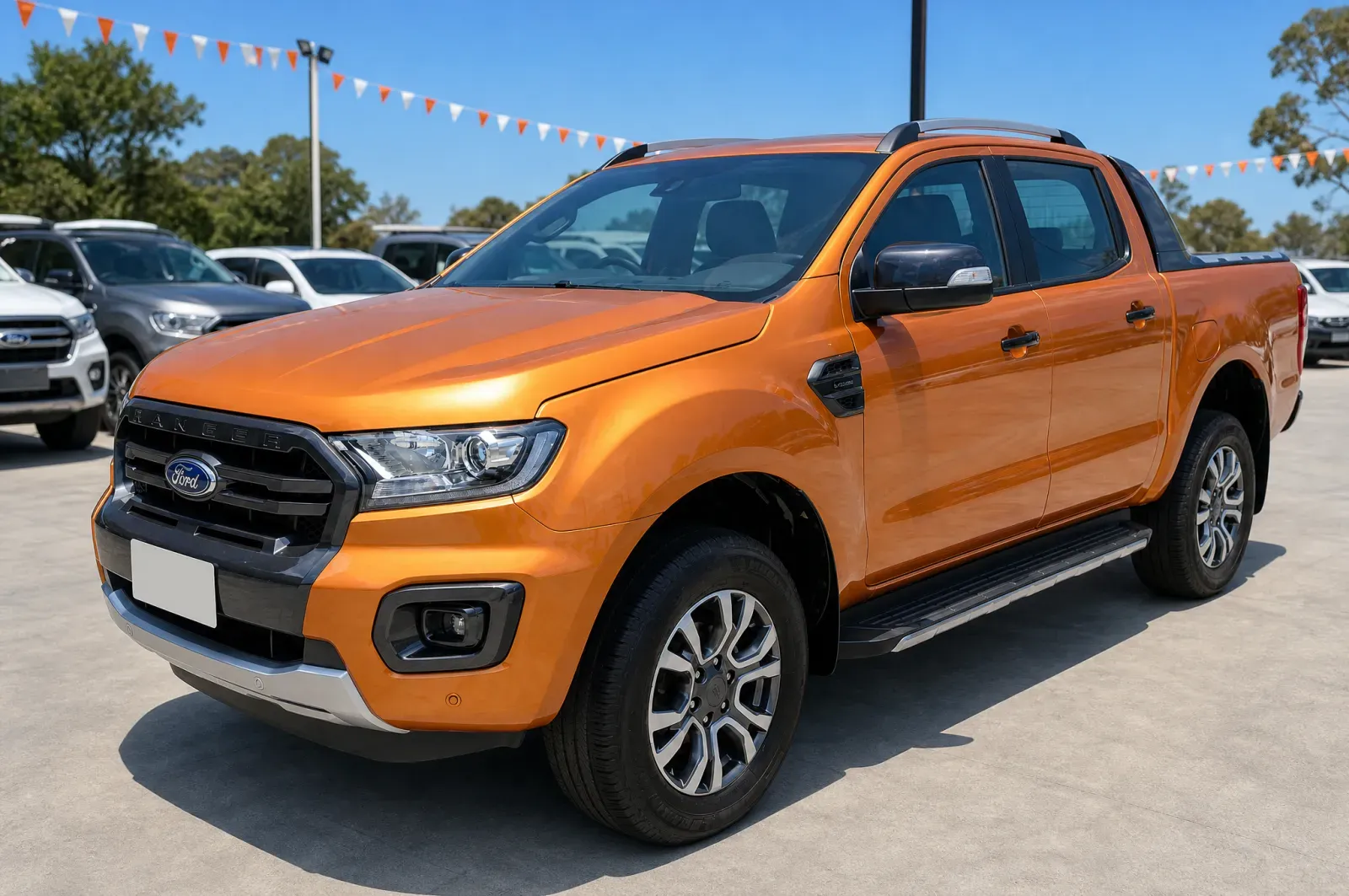
The work-focused grade, common as a cab-chassis or ex-fleet ute.
Mid and upper grades with more comfort, popular with families.
A premium lifestyle grade and one of the most sought-after used Rangers.
The high-performance off-road version, with higher running and insurance costs.
Many Rangers were company or mine-site vehicles. Check kilometres against the age and look for heavy accessory wear.
Rangers often tow heavy vans and boats. Check the towbar, rear suspension and transmission behaviour on the test drive.
Performance and modified Rangers can cost more to insure and service. Make sure any changes are legal and declared.
Ask about the diesel particulate filter (DPF) and look for any engine warning lights.

Search the PPSR to confirm there is no finance owing and the car hasn’t been written off or stolen.
Get a mechanic to inspect the car before you pay, especially on a private sale.
The most common way to finance a used Ford Ranger. The car is security for the loan, which usually means a lower rate than an unsecured loan.
See if it suits me
For ABN holders buying a used Ford Ranger mainly for work. The business owns it from day one, and interest and depreciation may be deductible.
See if it suits me
Get a lender’s conditional OK before you shop, so you know your budget and can move fast on the right Ranger.
See if it suits me
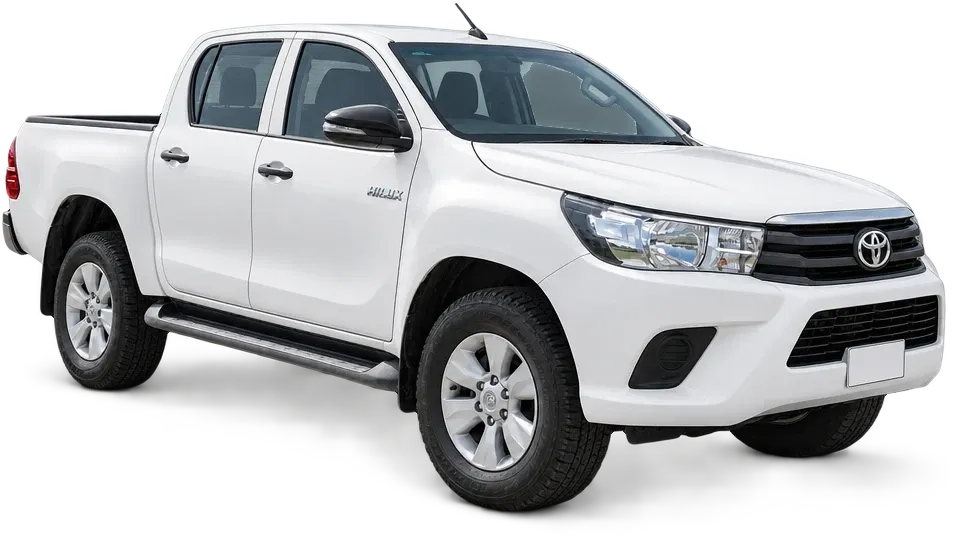
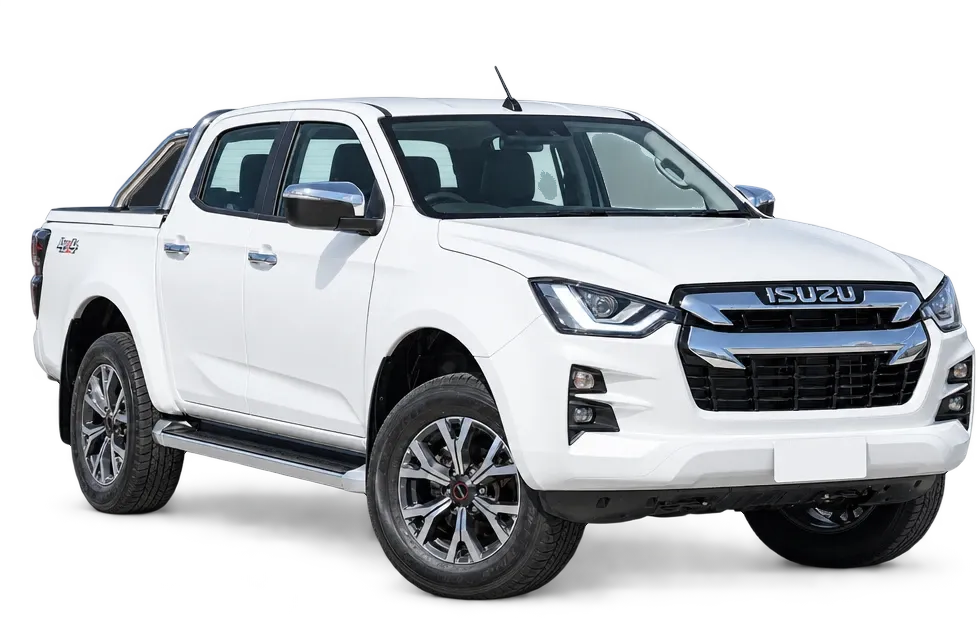
Still weighing it up? Our guide to used ute loans covers what lenders look at across every ute, and financing a used Ford looks at the whole range. Cross-shopping? See how the Ranger stacks up against a used Toyota Hilux or used Isuzu D-Max.
Before you talk to a seller, run the numbers through the car loan calculator to see how the loan amount, term and your credit history change the repayment. Then read how UsedCarLoans works so you know what happens after you send your details.
Most buyers ask the same things about deposits, credit checks and loan terms, so we answered them in our used car finance FAQs. Ready to go? Start the quick quiz and a licensed broker can talk you through what lenders may offer.

Answer a few questions and a broker checks what lenders may offer, so you know your budget before you shop.
Shop dealers, Marketplace and private listings within your budget. Compare a few similar cars on age, kilometres and price.
Run a PPSR search, book an independent inspection and go through the service history before you commit.
Send the car’s details to your broker. The lender confirms its value and that it’s free of existing finance.
Sign your loan documents, the lender pays the seller, and the Ranger is yours.
Lenders may finance a used Ranger from either. Here’s how they compare.
 On the yard
 In a driveway
Your loan covers the car. Running a used Ford Ranger also means:
Some do, so the gearbox is the first thing to check on a used Ranger. The 6-speed automatic in PX Rangers (2011 to 2022) can develop harsh or flaring shifts, often linked to hot fluid and valve body wear. The 10-speed automatic, which arrived in 2018 with the 2.0-litre bi-turbo, was recalled in 2020 over a transmission pump fault, and some owners report clunky shifts. Ask for transmission service records and proof of recall work.
There is no single year to avoid, but some Rangers need extra care. Be cautious with high-kilometre PX automatics that have never had a transmission service, and with 2018 to 2020 10-speed models where recall work has not been done. Check the VIN on the government's vehicle recalls website or with a Ford dealer. A Ranger with a full logbook and completed recalls is usually a safer buy than a newer one with gaps.
Generally yes, as long as the history is good. The 3.2-litre five-cylinder diesel has a reputation for being tough and covering big kilometres, while problems on used Rangers more often involve automatic gearboxes, injectors and electrical items. The next-generation Ranger from 2022 is still fairly new on the used market, so its long-term record is less proven. A pre-purchase inspection tells you more than the model's overall reputation.
It can be, especially if you tow heavy loads often. The 3.0-litre V6 diesel arrived with the next-generation Ranger in 2022 and is smoother and stronger than the four-cylinder options. Because it is newer, a used V6 costs more and may still have factory warranty left, which is worth confirming. Some owners have reported early faults, so check that recalls and software updates have been completed by a Ford dealer.
The XLT is usually the better-value used buy, while the Wildtrak suits buyers who want extra styling and features. In most years both share the same core mechanicals, so the gap is mainly equipment, trim and price. Wildtraks are in demand and tend to hold value well, but you pay for that up front. If the ute will work hard, a tidy XLT is often the smarter use of your budget.
Only if you will use its off-road ability. The Raptor has upgraded suspension, a wider track and chunky off-road tyres, which make it excellent on rough tracks but dearer to buy, insure and run. Earlier Raptors from 2018 to 2022 used the 2.0-litre bi-turbo diesel and have lower towing and payload ratings than a standard Ranger, which matters if you tow a van. Look closely for signs of hard off-road use.
Most 4x4 Rangers are rated to tow 3,500 kg braked, which is why they are so popular with caravan owners. Some 4x2 models, cab chassis variants and the earlier Raptor are rated lower, so check the figure for the exact model. Because so many Rangers have towed big vans and boats, inspect the towbar, rear springs and transmission closely, and ask whether the ute was serviced on a heavy-duty schedule.
Most later Rangers are serviced every 12 months or 15,000 km, whichever comes first, but the logbook shows the right schedule for that year. Heavy towing, dusty roads and lots of short trips can count as severe use, which may call for more frequent oil and transmission fluid changes. A Ranger with skipped or late services is a red flag, particularly for the automatic gearbox and the DPF.
It varies with the model year, engine and who does the work. Ford has offered capped price servicing on many Rangers, and some of that may still apply depending on age and kilometres, so ask a Ford dealer. Bigger services that include transmission fluid or fuel filters cost more. An independent diesel specialist can be cheaper, but keep every receipt, because a complete service history protects the ute's resale value.
They can be, because many fleet Rangers were serviced on time by the company that owned them. The catch is how they were used: mine-site and council utes can rack up huge kilometres, heavy accessory loads and rough-road wear. Ask for the fleet service record, check the kilometres make sense for the age, and look for leftover mine-site fittings such as flag mounts, extra wiring or beacon brackets.
You can, but sort out the problem first. Lenders generally value a Ranger from market guides and do not test the transmission, so the risk sits with you. A failing gearbox can cost thousands to repair while you are still making repayments. Get a pre-purchase inspection, then ask the seller to fix the fault or drop the price, and budget for any repair separately rather than stretching the loan.
It depends mostly on the generation and grade. Older PX Rangers in XL or XLS trim are among the more affordable dual cab utes, while late-model Wildtraks, V6s and Raptors cost far more. Add stamp duty, transfer and insurance, subtract any deposit or trade-in, and test the repayments with the estimator on this page. A broker can then tell you what lenders are likely to consider for your income.
Often yes, but kilometres shape what lenders will offer. Some set a kilometre limit, and others apply shorter terms or ask for a deposit when a high-kilometre ute values lower. A Ranger with 200,000 km and a full service record may suit some lenders while others decline it. A broker can match the ute to lenders whose policies fit before you apply, which avoids unnecessary credit enquiries.
Usually they are financed as two separate loans, each secured by its own vehicle, although some lenders may handle both in one application. The combined repayments still have to pass the lender's affordability checks, so buying both at once can limit how much you can borrow. Many buyers sort out the Ranger first, then finance the van once they know what their budget can handle.
Some will. Many later Rangers came with a five-year factory warranty, and it stays with the vehicle when it is sold. Use the first registration date to work out what is left, and confirm with a Ford dealer using the VIN. Remaining warranty does not change your loan, but it lowers the chance of a big repair bill while you are paying the ute off.
A chattel mortgage is designed for vehicles used mainly for business, so it suits a Ranger that works through the week. If the ute is mostly for weekend towing and family trips, a consumer car loan may fit better. Tax claims generally depend on your business-use percentage, usually backed by a logbook. Ask your accountant to confirm your split first, because the loan type is hard to change later.
Yes. The dealer or your new lender can pay out the existing loan as part of the deal. If the Ranger is worth more than you owe, the difference becomes your deposit. If you owe more than it is worth, the shortfall has to be covered, either in cash or, with some lenders, added to the new loan, which increases what you repay. Get a payout figure from your lender first.